
Virtual Summit Submission
Isabel Ball
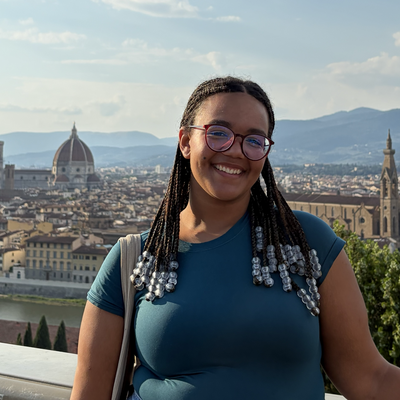
University of Missouri - Kansas City
Music Education
Biography
Isabel Ball is a sophomore Music Education major at the University of Missouri-Kansas City (UMKC) Conservatory and a UMKC Trustee’s Scholar. Her academic interests include music education, music history, and increasing access to meaningful music experiences for students. Her research interests center on music education, cultural exchange, and the ways access and representation shape students’ relationships with music. After completing her undergraduate degree, she plans to become a middle school band director and advocate for music education in historically underfunded and underserved communities.Project
Who Gets Heard?The musical canon has long shaped Western classical music, influencing which composers and works continue to be performed and valued. This study compares how the canon is represented in live instrumental classical performances in Florence, Italy, and Kansas City, Missouri, and explores how local history and cultural context influence programming choices.
Using a qualitative comparative observational approach, I attended and documented nine live performances in 2026: five in Florence and four in Kansas City. Observations focused on repertoire, composer nationalities, performer characteristics, audience demographics and behavior, venue accessibility, and concert etiquette.
Both cities demonstrated strong connections to the traditional European classical canon. However, Kansas City performances included a broader representation of American composers and contemporary works. In Florence, the only observed performance to move significantly outside the traditional canon was a community wind band pops concert. In Kansas City, programming varied by ensemble, with more professional organizations generally maintaining more traditional repertoire. Community-centered performances, particularly the Mid-America Freedom Band concert, also demonstrated how music can connect with broader audiences through outreach and inclusive programming.
These findings raise questions about how music education, community access, and early exposure to live performance shape people's relationships with classical music. Further research could examine whether access to public school music programs influences concert attendance and engagement later in life, particularly among younger audiences. Ultimately, this study considers how classical music can preserve its traditions while continuing to expand its cultural relevance and accessibility.
Who Gets Heard?.pdf1.96 MB