
Virtual Summit Submission
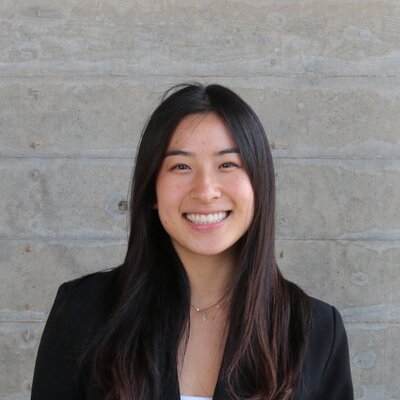
Meika Tomita
University of California San Diego
Human Biology
Biography
Meika Tomita studied Human Biology at the University of California, San Diego. As a Tyler Fellow in Tsukuba, Japan, she worked in a cancer biology laboratory to study how bone cancer cells survive drug treatment and regrow. Her analysis highlights candidate genes for future study of how cancer cells tolerate treatment. Back in San Diego, she works in a microbiome lab and as an emergency medical technician. She plans to apply to medical school, and become a physician who brings research into patient care.Project
Deciding the PHATE of Persister Cells: Trajectory Mapping of Drug Tolerant Persistence in OsteosarcomaI traveled to Japan to investigate why some bone cancer cells survive drug treatment and regrow once the drug is removed. A drug called mycophenolic acid (MPA) slowed osteosarcoma cell growth in laboratory studies, but a clinical trial of a closely related form, mycophenolate mofetil, did not show enough benefit for patients.
My research question was: what do the cells that survive MPA look like, and how do they change? At a biology laboratory in Tsukuba, I cultured osteosarcoma cells with MPA for 21 days, removed the drug, and tracked recovery for six more days. I imaged cell growth daily, then analyzed gene activity across the whole time course and confirmed key genes with a second method. Treated cells stayed at low density for three weeks, then regrew after the drug was removed, a pattern consistent with drug-tolerant “persister” cells. Stress-response genes increased in expression early, and one gene, ASS1, stayed lower throughout. These results suggest where to look next, though they do not yet show which changes cells need to survive. Understanding survivors may help explain why treatments fail in osteosarcoma and guide better therapies