
Virtual Summit Submission
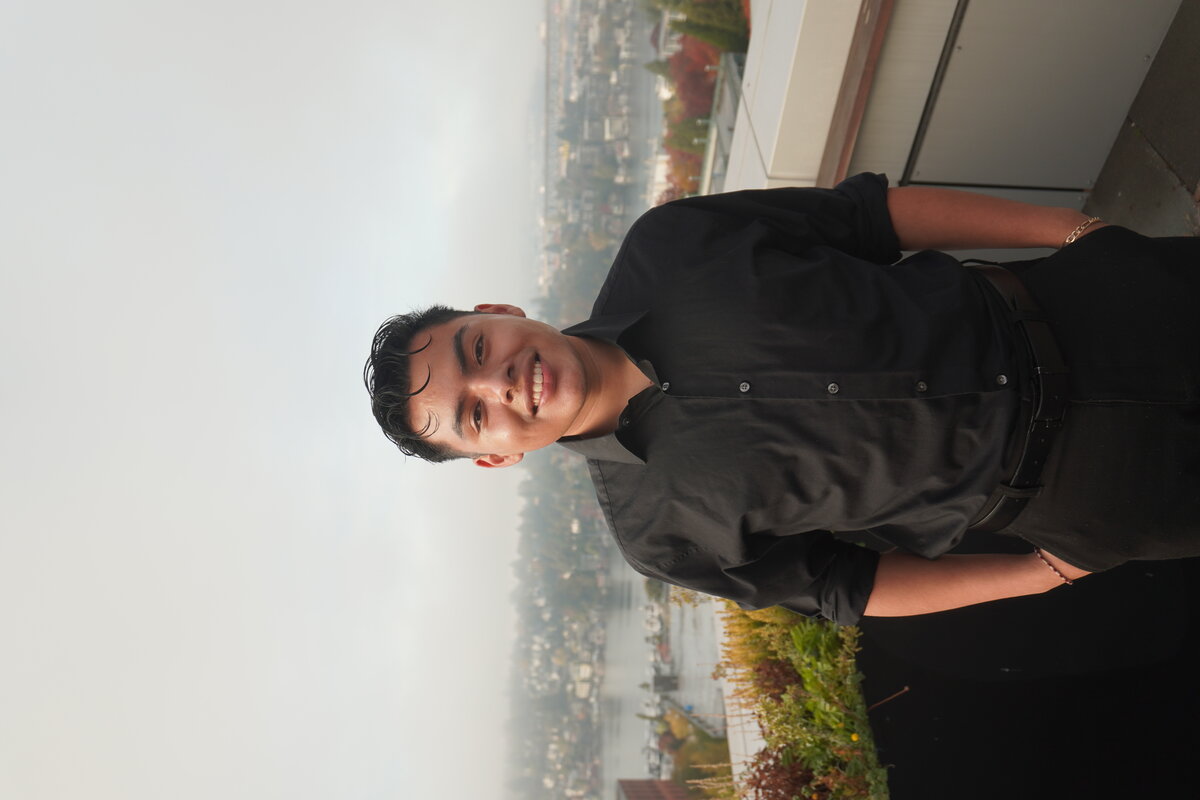
Samuel Cortes Dolores
University of Washington
Public Health-Global Health
Biography
Samuel Cortes Dolores is a junior at the University of Washington pursuing a Bachelor of Science in Public Health-Global Health. His academic interests include health disparities, healthcare access, healthy policy, and community based interventions, particularly among Latino and underserved populations. He has participated in undergraduate biophysics research at UW and currently supports lifestyle and nutrition intervention research at Fred Hutch Cancer Center. As a Tyler Fellow, he studies health promotion and community engagement in Brazil. He hopes to pursue a career in healthcare and public health focused on improving access and advancing health equity.Project
Beyond the Clinic: Community-Based Physical Activity and Health Promotion in BrazilDuring my study abroad program in Brazil, I explored how community-based physical activity programs and public healthcare initiatives contribute to health promotion. Through academic sessions, site visits, and conversations with students, researchers, and program participants in Londrina and São Paulo, I examined how physical activity can support healthy aging, cancer survivorship, and community well-being. Two experiences particularly shaped my inquiry: observing UEL's strength training program for older women and learning about an exercise and support program for breast cancer survivors. I also explored Brazil's Sistema Único de Saúde (SUS) and its commitment to universal healthcare. Across these experiences, I noticed that successful health promotion involves more than providing information or recommending exercise. Consistent participation, professional guidance, social connection, and access to community resources can influence people's ability to maintain healthier behaviors. Although my project was observational rather than a formal clinical study, these experiences helped me compare approaches to health promotion for community-centered programs and the importance of making health opportunities accessible and sustainable.
Tyler Fellows Project.pdf920.88 KB