
Virtual Summit Submission
Catherine Weakley
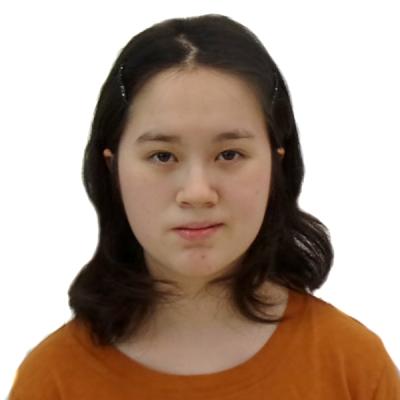
University of Washington
Political Science, Asian Languages & Culture
Biography
I am a senior graduating Autumn 2025 at the University of Washington, majoring in Political Science and Asian Languages & Culture, with 13 years of Mandarin study and 3 years of Japanese study. In January, I plan to continue my education by pursuing an MBA in Artificial Intelligence. My coursework in political science has provided me with a strong foundation in foreign policy, local policy, and legal systems. I’ve also gained cultural experience through trips to Beijing and my Japanese study abroad program. I have been involved in community outreach and have tutored students in Chinese, and Japanese.Project
Intersectionality in Japan: a woman's point of viewMy paper, Intersectionality in Japan, a woman’s point of view, explored how gender, culture, and identity intersect in Japanese society through academic theory and my personal observations. I looked into Kimberle Crenshaw's framework of intersectionality, understanding multiple systems of oppression and privilege, such as gender, race, and ethnicity. I examined how power systems shape women’s lives in Japan. Using Anu Taranath’s Beyond Guit Trips: Mindful Travel in an Unequal Word, I researched on noticing differences, understanding in-groups and out-groups, and being comfortable with discomfort while living in Japan. My own personal experiences so far living in Japan helped me see how conformity and gender expectations limit self-expression, except for when women dress up in cosplay. I continued my research, examining Sawada, Tsuno, and Shiba's work on gender differences in subjective well-being in Japan: An intersectionality approach. It analyzed how Japanese women’s well-being connects factors like income, age, and relationships. Finally, I looked into Sae Shimauchi’s, Striving within intersectional complexities: Autoethnography of a female academic in Japan. She discovered the difficulties for women in Japan. Additionally, I researched a study by one of my Japanese female professors. Through these perspectives, I concluded that intersectionality reveals how women navigate homogeneity, social inequality, and how to belong living in Japan.