
Virtual Summit 2025: Submission #3
Submission information
Submission Number: 3
Submission ID: 11
Submission UUID: 4a1dce7b-e3b0-43a6-98f2-a673eb03e545
Submission URI: /virtual-summit-2025
Created: Wed, 10/15/2025 - 12:16 PM
Completed: Wed, 10/15/2025 - 12:20 PM
Changed: Wed, 11/19/2025 - 04:10 PM
Remote IP address: 144.174.212.99
Submitted by: cfw17
Language: English
Is draft: No
Webform: Virtual Summit
Submitted to: Virtual Summit 2025
| Name | Charlotte Stuart-Tilley |
|---|---|
| Photo |
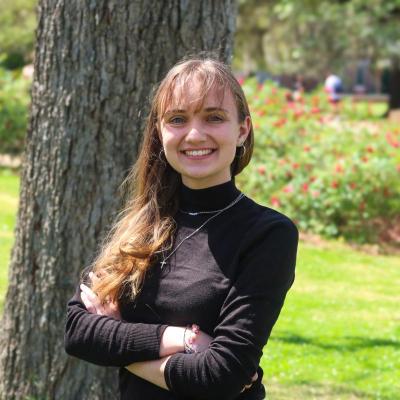
|
| School | Florida State University |
| Program of study | International Affairs and French |
| Biography | Charlotte Stuart-Tilley is a third-year senior pursuing a dual degree in International Affairs and French at FSU, with a minor in Religion. Her research interests include post-colonial identity, migration, and African studies. She has participated in the Undergraduate Research Opportunity Program, served as a Sustainable Campus Fellow, received an IDEA Grant as a Tyler Fellow, and is currently completing an Honors in the Major thesis. Since middle school, she has been an advocate for human rights and the environment. Following her graduation in Spring 2026, Charlotte hopes to continue her advocacy work in sustainable development or in a human rights-related field. |
| Project Title | Marginal People, Minimal Rights – Indigenous Fulbe Approaches to Human Rights & Sociopolitical Stigma in the Accra Metropolitan District of Ghana, West Africa |
| Project Abstract | The Fulbe (also known as Fula or Fulani) are a historically nomadic ethnic group spread across West Africa. In Ghana, Fulbe communities often face discrimination and state-sanctioned violence. Both nomadic and sedentary Fulbe observe an unwritten code of conduct known as pulaaku, meaning “responsibility” in Fulfulde. Drawing on interviews conducted in Fulfulde with Fulbe participants, this study presents a lexicon of terms used to describe their experiences of marginalization in the Greater Accra region. Concepts such as pulaaku, seemtende (translated as “shame” or “shyness”), and “peaceful coexistence” frequently emerged in participants’ accounts. Through these notions and lived experiences, this study examines how Fulbe conceptualize their oppression in relation to pulaaku and other elements of Fulbe identity. By recognizing alternative understandings of human dignity and value, this research seeks to inform global efforts to make human rights frameworks more inclusive and relevant to marginalized populations in the Global South, who disproportionately suffer from violence, exclusion, and systemic injustice. |
| Project File | StuartTilley_poster.pdf4.94 MB
|
| Keywords | Human rights Ghana Accra International Affairs |
| Approved | Yes |